Master Smarter Triathlon Training: Tips for Better Performance
Embarking on a triathlon journey is exhilarating but can often feel overwhelming due to the sheer volume of training required. However, the key to excelling lies not in simply training harder but in training smarter. By adopting an intelligent approach to triathlon preparation, you can maximize performance, minimize injuries, and maintain a sustainable routine. Let’s dive into expert tips to help you master smarter triathlon training.

1. Prioritize Quality Over Quantity
It’s a common misconception that training more hours automatically leads to better results. Instead, focus on the quality of your sessions:
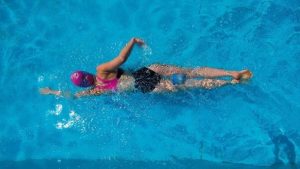
- Swim: Concentrate on form and efficiency in the water. Include drills like catch-up and bilateral breathing to improve your stroke.
- Bike: Incorporate interval training to enhance speed and endurance.
- Run: Practice tempo runs and hill workouts to build strength and stamina.
By ensuring each session has a specific purpose, you’ll achieve greater results with less overall training volume.

2. Embrace Periodization
Periodization involves structuring your training into distinct phases, each with a targeted goal:
- Base Phase: Build endurance with longer, steady workouts.
- Build Phase: Focus on race-specific intensity.
- Peak Phase: Sharpen your fitness with short, high-intensity efforts and recovery.
- Taper: Reduce training volume before race day to arrive fresh and ready.
This method prevents burnout and ensures optimal performance when it matters most.
3. Invest in Recovery
Recovery is just as important as training itself. Without proper rest, your body can’t repair and grow stronger. Tips for effective recovery include:
- Prioritize sleep (7-9 hours per night).
- Schedule rest or low-intensity days weekly.
- Incorporate techniques like foam rolling, stretching, and massage.
- Fuel your body with nutrient-rich foods and stay hydrated.
Remember, pushing through fatigue may lead to injuries and performance plateaus.

4. Leverage Technology
Use tech tools to gain insights and track your progress:
- Heart Rate Monitors: Ensure you’re training in the right zones.
- Power Meters: Optimize your cycling efficiency and pacing.
- Wearable Devices: Monitor metrics like sleep, recovery, and activity levels.
Apps like TrainingPeaks and Garmin Connect can help you analyze data and adjust your plan for maximum impact.
5. Practice Race Simulation
To prepare for race day, mimic triathlon conditions during training:
- Combine two disciplines in a single session, such as a bike-to-run workout.
- Train in open water to adapt to race-day swim environments.
- Test nutrition strategies to determine what works best for your body.
These simulations help build confidence and refine your race-day strategy.
6. Listen to Your Body
Avoid overtraining by paying attention to warning signs such as:
- Prolonged fatigue.
- Decreased performance.
- Persistent aches and pains.
Modify your plan when necessary, and never hesitate to seek advice from a coach or medical professional.
7. Work with a Coach
A knowledgeable triathlon coach can customize a training plan to suit your goals, strengths, and weaknesses. Coaches provide accountability, track your progress, and adjust your program based on performance and life demands.

8. Train for Transitions
Don’t overlook the importance of smooth transitions (T1 and T2). Practice techniques like removing your wetsuit quickly and setting up an efficient transition area. These small adjustments can shave valuable seconds off your time.
9. Focus on Nutrition
Nutrition is a game-changer in triathlon success. Key strategies include:
- Eat a balanced diet to support daily training demands.
- Experiment with race-day fueling during long workouts.
- Stay hydrated and replenish electrolytes during training and racing.
Dialing in your nutrition ensures you perform at your best without energy crashes.

10. Set Realistic Goals
Set short-term and long-term goals that challenge but don’t overwhelm you. Break your goals into manageable steps, such as:
- Improving your swim pace by 10%.
- Completing a brick workout every week.
- Hitting your target time in a local sprint triathlon.
Celebrate progress to maintain motivation and confidence.
Final Thoughts
Training smarter, not harder, is the key to unlocking your potential as a triathlete. By focusing on quality sessions, listening to your body, and leveraging technology and coaching, you’ll be well-equipped to conquer any race. Remember, triathlon is a journey—enjoy the process and celebrate your growth along the way.

👉 Ready to level up your triathlon training?
Let’s chat about your goals and design a plan that works for you. Together, we’ll make smarter training your competitive edge! Contact us today: https://readytotri.com/newsite/contact/ or book a call here: https://calendly.com/rdytotri/fitness-discussion