Why Your Legs Feel Like Jelly After Cycling and How to Run Strong Off the Bike
Discover why running off the bike feels tough and learn proven strategies to crush your triathlon’s run leg. Build strength and confidence with expert tips.”

Transitioning from cycling to running during a triathlon is one of the most challenging aspects of the race. Known as the “brick,” this phase is notorious for making even the strongest athletes feel like their legs are made of lead. But with the right approach, you can turn this challenge into your secret weapon. In this guide, we’ll explore why running off the bike is so difficult and how to train effectively to master the bike-to-run transition.
Why Running Off the Bike Feels So Tough
When you shift from cycling to running, your body undergoes a significant change in movement patterns and muscle engagement. Here’s why it feels so challenging:

1. Neuromuscular Confusion
Cycling primarily works your quadriceps and glutes in a repetitive motion, while running activates your calves, hamstrings, and stabilizing muscles. This sudden transition can leave your body struggling to adapt.
2. Accumulated Fatigue
After cycling, your muscles are fatigued from sustained effort, reducing your ability to generate power and speed in the run leg.
3. Impact Forces
Running introduces impact forces that your body hasn’t experienced during cycling, adding to the difficulty of the transition.
How to Run Strong Off the Bike: Proven Strategies
Triathletes who succeed in the bike-to-run transition follow a strategic approach that includes specific workouts, pacing, and mental preparation.
1. Incorporate Brick Workouts
Brick workouts simulate the race-day experience by combining cycling and running in a single session. Start with short runs immediately after biking and progressively increase the duration. These sessions help your body adapt to the demands of the transition.
2. Refine Your Bike Pacing
Many athletes push too hard on the bike, leaving little energy for the run. Use a power meter or heart rate monitor to maintain an efficient pace during the bike leg, ensuring you have enough energy for a strong finish.
3. Strength Training for Key Muscles
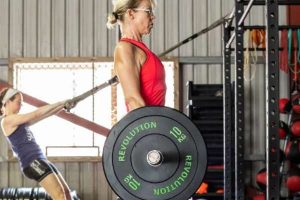
Build strength and resilience with exercises targeting the glutes, hamstrings, calves, and core. Single-leg deadlifts, squats, and planks are excellent options to enhance stability and endurance.

Fueling for a Strong Run Leg
Proper nutrition is essential for maintaining energy during the bike-to-run transition:
- Carbohydrate Intake: Consume easily digestible carbs during the bike leg to keep your glycogen stores topped up.
- Electrolytes: Stay hydrated and maintain electrolyte balance to avoid cramping during the run.
- Practice Race-Day Nutrition: Test your fueling strategy during brick workouts to ensure it works for you under race conditions.

The Mental Game: Overcoming the Transition Challenge
Triathlons test not just your body but your mind. Master the mental side of the bike-to-run transition with these tips:
- Visualization: Picture yourself transitioning smoothly and running strong during your training sessions.
- Mantras: Develop a positive mantra, such as “strong legs, steady pace,” to keep your focus sharp during the race.
- Embrace Discomfort: Accept that the initial awkwardness will fade as your muscles adapt to the new movement pattern.
Turning the Run Leg into Your Competitive Advantage
With the right preparation, you can turn the bike-to-run transition into an opportunity to shine. Incorporate brick workouts into your routine, pace yourself wisely on the bike, and focus on building both physical strength and mental toughness. By dialling in your strategy, you’ll not only overcome the infamous “jelly legs” but might also discover that the run becomes your favorite part of the race.
Ready to Elevate Your Triathlon Performance?
Explore personalized coaching plans and tailored strategies to master every aspect of triathlon racing. From sprint triathlons to IRONMAN, we’re here to help you achieve your goals. We are based in Brisbane, Australia, however we coach athletes all over Australia. We even coach international athletes online from Hong Kong, New Zealand and the UK, to name but a few.
Contact us here or send us an email
If you are looking for nutrition help and advice contact Peter