Beginner’s Guide to Triathlon: Getting Started—The Essential Triathlon Gear Every Triathlete Needs
So, you’ve decided to dive into the world of triathlon—congratulations! Whether you’ve been inspired by a friend, intrigued by the challenge, or are simply looking for a new way to stay fit, triathlon is an incredible journey that will test your limits, build your endurance, and bring a sense of accomplishment like no other. But before you start swimming, cycling, and running your way to the finish line, you need to ensure you have the right triathlon gear. Let’s explore the essential triathlon equipment every beginner needs to get started on the right foot.
1. Triathlon-Specific Clothing
Triathlon Suit
One of the first investments you’ll want to make as a beginner triathlete is a triathlon suit. A triathlon suit, also known as a tri suit, is a one-piece or two-piece garment specifically designed for triathlon. It’s meant to be worn throughout all three disciplines—swim, bike, and run—so you don’t have to worry about changing clothes during transitions.
Why is it essential?
– Comfort: A triathlon suit is designed to be comfortable for long periods. The material is quick-drying, reducing chafing during the bike and run.
– Efficiency: By wearing the same outfit for all three legs, you save valuable time in transitions.
– Aerodynamics: Tri suits are snug and help reduce drag in the water and wind resistance on the bike.
When choosing a triathlon suit, look for one that fits well but isn’t too tight. A good fit is key to avoiding discomfort during your race.
Wetsuit for Triathlon (for Open Water Swimming)
If your triathlon involves open water swimming, a wetsuit is essential, particularly in colder conditions. Wetsuits provide buoyancy, which can make swimming easier, and they also keep you warm in chilly waters.
Key Features to Consider:
– Thickness: Wetsuits come in various thicknesses, usually measured in millimetres. A 3/2 wetsuit (3mm in the torso, 2mm in the arms and legs) is common for triathlons, offering a balance of warmth and flexibility.
– Fit: The wetsuit should be snug but not restrictive. You should be able to move your arms freely without feeling like you’re in a straitjacket.
It’s important to practice swimming in your wetsuit before race day to get used to the feeling and ensure it doesn’t impede your movement.
2. Swimming Gear
Goggles
A good pair of goggles is a must for any triathlete. They protect your eyes from chlorine in the pool or saltwater in the ocean and help you see clearly while swimming.
Tips for Choosing Goggles:
– Fit: Goggles should create a suction around your eyes without being too tight. Test the fit by pressing them against your face—if they stick without the strap, they’re a good fit.
– Lens Colour: For outdoor swims, consider goggles with mirrored or tinted lenses to reduce glare. For indoor pools, clear or light-tinted lenses are usually sufficient.
– Anti-Fog: Look for goggles with an anti-fog coating to prevent them from steaming up mid-swim.
Swim Cap
While often provided by race organisers, having your own swim cap is handy for training. Swim caps reduce drag in the water, keep your hair out of your face, and provide some insulation in cold water.
– Material: Latex or silicone are common materials. Silicone is generally more durable and comfortable.
3. Cycling Gear for Triathlon
Bike
Your bike is the most significant investment you’ll make as a triathlete. If you’re just starting out, you don’t need a top-of-the-line triathlon bike; a road bike will do just fine.
What to Look for in a Beginner’s Bike:
– Fit: Proper bike fit is crucial for comfort and efficiency. Visit a local bike shop for a fitting to ensure the frame size and setup are right for your body.
– Type: If you’re on a budget, a road bike is a versatile option that can be used for training and racing. If you’re ready to invest, a triathlon-specific bike offers aerodynamic advantages.
– Condition: If you’re buying second-hand, make sure the bike is in good condition. Look for signs of wear and tear, particularly on the chain, tires, and brake pads.
Helmet
A helmet is non-negotiable—it’s a must for safety and required in all races. When choosing a helmet, comfort and safety are the top priorities.
Features to Consider:
– Certification: Ensure the helmet meets safety standards (look for CE, CPSC, or similar certifications).
– Fit: The helmet should sit level on your head, covering your forehead, and shouldn’t move when you shake your head.
– Ventilation: Good airflow is essential to keep you cool during long rides.
Cycling Shoes & Pedals
Cycling shoes that clip into your pedals (clipless pedals) can greatly improve your efficiency on the bike. They allow you to pull up as well as push down, engaging more muscle groups.
Key Considerations:
– Compatibility: Make sure your shoes are compatible with your pedals.
– Comfort: Try on different brands and styles to find the most comfortable fit, as you’ll be wearing them for extended periods.
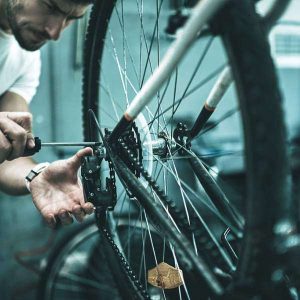
Bike Tools & Spares
While not exciting, having basic tools and spares is vital in case of a mechanical issue during training or racing.
– Spare Tubes: Carry a couple of spare inner tubes with you in case of a puncture.
– Tire Levers: These help you remove the tire from the rim to change a tube.
– Mini Pump or CO2 Inflator: You’ll need a way to inflate the tire after replacing the tube.
– Multitool: A small multitool with allen keys and screwdrivers is useful for basic adjustments.
4. Running Gear for Triathlon
Running Shoes
The right pair of running shoes can make a significant difference in your comfort and performance. Avoid using your old gym trainers and invest in a pair of running shoes designed for your gait and foot type.
Tips for Choosing Running Shoes:
– Gait Analysis: Many running shops offer gait analysis, where they assess how you run to recommend the right type of shoe (neutral, stability, or motion control).
– Fit: Shoes should fit well with a bit of room in the toe box but not too loose. It’s better to shop for running shoes later in the day when your feet are slightly swollen, as they will be during a run.
– Break Them In: Don’t save your new shoes for race day. Make sure to break them in during training to avoid blisters and discomfort.
Running Hat/Visor
A hat or visor can help protect you from the sun and keep sweat out of your eyes. Choose one that’s lightweight and moisture-wicking for maximum comfort.
Sunglasses
A good pair of sports sunglasses protects your eyes from UV rays and helps you see clearly, even in bright conditions. Look for glasses that are lightweight, non-slip, and offer good coverage.
5. Triathlon Transition Gear
Race Belt
A race belt is a simple but incredibly useful piece of gear. It allows you to quickly and easily attach your race number, saving you time in transition. Instead of pinning the number to your clothes, you simply clip it onto the belt and wear it around your waist.
Transition Bag
A transition bag is designed to carry all your gear to the race. These bags typically have compartments for your wetsuit, helmet, shoes, and other essentials, making it easy to stay organised on race day.
– Waterproof Compartment: Look for a bag with a waterproof compartment to store your wetsuit after the swim.
– Comfort: Make sure the bag is comfortable to carry, especially if you have to walk a distance from the car park to the transition area.
6. Hydration & Nutrition for Triathlon
Water Bottles & Bottle Cages
Staying hydrated is crucial during a triathlon, especially during the bike and run. Make sure your bike is equipped with at least one bottle cage, and carry a water bottle filled with either water or an electrolyte drink.
– Insulated Bottles: These keep your drink cool on hot days.
– Easy Squeeze: Bottles that are easy to squeeze make it simpler to drink while riding.
Energy Gels/Bars
Nutrition plays a key role in maintaining your energy levels during a race. Energy gels and bars are convenient options that provide a quick boost of carbohydrates.
– Practice in Training: Try different brands and flavours during your training sessions to find what works best for you, as some products may not sit well with your stomach.
– Plan Your Intake: Know when you plan to consume your gels or bars during the race and practice this strategy in training.
Final Thoughts:
Getting started in triathlon can seem overwhelming with all the triathlon gear options available, but remember, you don’t need to buy everything at once. Focus on the essential triathlon equipment—those items that will directly impact your performance and safety. As you progress in the sport, you can gradually upgrade your gear.
Most importantly, don’t forget that triathlon is about more than just the gear. It’s about challenging yourself, setting goals, and enjoying the journey. With the right triathlon gear and mindset, you’ll be well on your way to crossing that finish line with a smile on your face.
Good luck, and happy training!
Would you like to learn more about ReadyToTro Triathlon Coaching – https://readytotri.com/newsite/about-us/
If you looking for further information on our training, you can email our coach here: rdytotri@gmail.com or if would like to chat with our coach you can book a call here: https://calendly.com/rdytotri/fitness-discussion