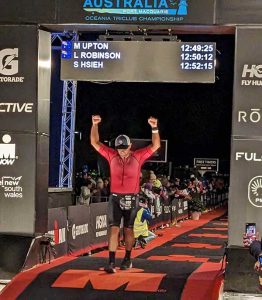
Mental Performance Training for IRONMAN: A Simple 3-Phase Framework

Training for an IRONMAN isn’t just about physical fitness.
It’s also about developing the mindset to stay calm, focused, and composed across months of preparation and on race day itself.
Mental performance training works best when it evolves alongside your physical training. Just like swim, bike, and run, your mindset needs structure and progression.
Implementing IRONMAN mental training techniques can significantly enhance your performance during both training sessions and races.
A simple and effective way to do this is by using three statements:
-
I can…
-
I am…
-
I will…
Below is a clear three-phase mental performance framework for IRONMAN training, designed to support consistency, resilience, and confident race execution through effective IRONMAN mental training.

Phase 1: Foundation & Belief (Base Training Phase)
Incorporating IRONMAN Mental Training Techniques
Focus: Confidence, patience, and consistency
In the early stages of IRONMAN training, the physical work is often aerobic and repetitive. Progress can feel slow, and doubt can creep in if you’re focused only on outcomes.
This phase is about building belief in the process.
Mental goals in this phase:
-
Develop confidence through consistency
-
Reinforce trust in long-term training
-
Stay patient when results aren’t immediate
Example mental statements:
-
I can show up consistently and complete the work as planned.
-
I am building a strong aerobic base and a resilient mindset.
-
I will focus on the process and trust the plan I’m following.
When to use this phase:
-
Base training blocks
-
Easy aerobic sessions
-
Early long rides and runs
This is where your identity as an IRONMAN athlete begins to form.
Phase 2: Resilience & Control (Build and Peak Training Phase)
Focus: Managing discomfort, fatigue, and emotion
As training load increases, sessions become longer and more demanding. This is where mental performance training becomes essential.
The goal here isn’t to avoid discomfort, but to respond to it well.
Mental goals in this phase:
-
Stay calm when training gets hard
-
Control effort, breathing, and pacing
-
Manage emotional highs and lows
Example mental statements:
-
I can stay calm and focused when training feels uncomfortable.
-
I am capable of managing fatigue and making smart decisions.
-
I will control my effort and stay present, one moment at a time.
When to use this phase:
-
Long bike rides
-
Brick sessions
-
Race rehearsal weekends
-
Peak training weeks
This phase builds confidence that you can handle the demands of race day.

Phase 3: Trust & Execution (Taper and Race Phase)
Focus: Confidence, simplicity, and execution
By the time you reach the taper, the physical work is done. The goal now is to trust your preparation and allow the race to unfold.
Mental clarity is more important than motivation at this point.
Mental goals in this phase:
-
Let go of last-minute doubt
-
Stay relaxed and present
-
Execute the race plan calmly
Example mental statements:
-
I can execute my race plan with confidence and control.
-
I am prepared for whatever the day brings.
-
I will stay present, adapt when needed, and keep moving forward.
When to use this phase:
-
During taper weeks
-
The days leading into the race
-
On race morning and throughout the event
This phase is about execution, not proving fitness.

How to Use This Mental Framework in Training
You don’t need long meditation sessions for this to work.
Practical ways to apply it:
-
Read or repeat your statements before key sessions
-
Use them during difficult moments in training
-
Keep them short and familiar by race day
Just like physical training, mental performance improves through repetition and rehearsal.

Final Thoughts
IRONMAN training is as much a mental challenge as it is a physical one.
By aligning your mindset with each phase of training, you give yourself the best chance to stay consistent, manage fatigue, and race with confidence.
You don’t need to be perfect.
You just need to be prepared.
Mental rehearsal and execution-focused thinking are commonly used by long-course athletes preparing for IRONMAN events (TrainingPeaks).
Recommended:
IRONMAN Official Website (Mental Training / Athlete Resources)
👉 https://www.ironman.com/news
TrainingPeaks Blog (Mental Skills & Endurance)
👉 https://www.trainingpeaks.com/blog